
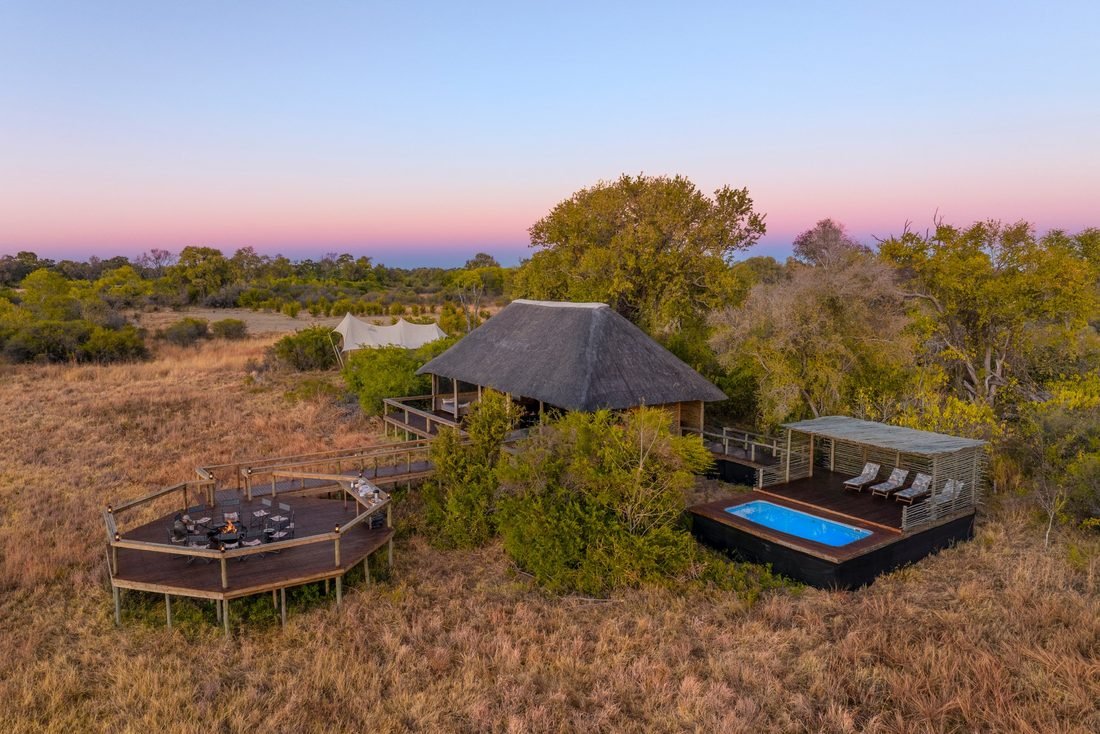
A lion’s call carries farther on a cool June night. By October, the same landscape can feel taut with heat, dust, and the concentrated drama of wildlife gathering around water. When travellers ask about the best time for Botswana safari travel, they are often asking for one answer. Botswana offers several – and the right one depends on the wilderness moments you hope to bring home.
The dry season is celebrated for good reason: clear sightings, dramatic predator-prey encounters, and dense concentrations of animals around permanent water. Yet the green season has a quieter kind of richness, with storm-lit skies, young animals, migrant birds, and fewer vehicles sharing the view. A well-timed safari is not simply about seeing more. It is about choosing the atmosphere, pace, and place that feel most like your own adventure.
Botswana’s Safari Seasons at a Glance
Botswana’s seasons are shaped by rain, heat, and the remarkable floodwaters that arrive in the Okavango Delta from rainfall far to the north. This means the country does not move to a single, simple calendar. Water levels, grasses, animal movements, and road conditions vary by region and by year.
May through August: Cool, Dry, and Wildly Productive
From May onward, the bush begins to dry and mornings can be crisp enough for an extra layer on an early game drive. Vegetation recedes, visibility improves, and animals increasingly use dependable water sources. This is an especially rewarding period for travellers who want classic safari days: elephants at the water, alert plains game in open country, and predators easier to follow through thinned-out cover.
In the Okavango Delta, this period often coincides with the arrival and spread of floodwaters. Channels fill, lagoons widen, and mokoro excursions become a defining way to experience the Delta. Gliding through reeds at water level offers a different rhythm from a vehicle safari – quieter, closer to the small details, and wonderfully unhurried.
June through August is also Botswana’s winter. Days are generally sunny and comfortable, while dawns and evenings can be genuinely cold. For some guests, that contrast is part of the pleasure: coffee beside the fire before sunrise, then warm afternoons beneath wide African skies.
September and October: Peak Wildlife, Peak Heat
For many experienced safari travellers, September and October are the strongest months for concentrated wildlife viewing. Water is scarce across much of the country, so game movements become more predictable. Elephant herds gather in impressive numbers in northern Botswana, and predators often benefit from the same concentration of prey.
This is a season of intensity. The light can be beautiful, sightings can be extraordinary, and the bush has a stripped-back clarity that photographers love. It is also the hottest time of year. Midday temperatures can be demanding, particularly in October, and safari days are planned around the cooler hours for good reason.
If your priority is high-action game viewing and you are comfortable with warmth, this is a compelling window. It is also a popular one, so early planning matters when privacy and a small guest count are non-negotiable.
November through April: The Green Season’s Reward
The first rains change Botswana with astonishing speed. Dust settles, grass rises, and the landscape takes on fresh colour. Rain does not arrive on schedule every year, nor does it fall evenly across the country, but from November through April the bush is generally greener, more alive, and more changeable.
This is a fine choice for travellers drawn to birds, photography, dramatic weather, and the tenderness of the safari cycle. Many species give birth during or after the rains, creating opportunities to see young animals and the vigilant behavior that surrounds them. Migratory birds add movement and colour, while afternoon storms can turn an ordinary horizon into a theater of light.
The trade-off is that abundant water allows wildlife to disperse. Taller grasses and thicker vegetation can make sightings less immediate than in the dry months. Rain may also affect driving conditions in some areas. But for guests who value a more secluded, soulful safari, the green season can feel deeply personal.
The Best Time for a Botswana Safari Depends on Your Priorities
There is no wrong season for a Botswana safari, but there may be a better season for the way you want to travel.
For first-time safari guests focused on the broadest possible wildlife viewing, the dry months from June through October are often the clearest recommendation. The bush is more open, animals are easier to locate, and the visual drama around water is at its height.
For photographers, the choice is more nuanced. Dry-season light, dust, and sparse vegetation can make for powerful wildlife portraits. Green-season travellers, however, may find richer landscapes, storm clouds, reflective water, and a more varied palette. The better choice depends on whether you prefer graphic, high-contrast scenes or layered images filled with colour and atmosphere.
For honeymooners and couples seeking privacy, both seasons can be exceptional. Dry-season travel has a lively energy and high demand, while green-season travel can bring a more spacious feeling to the wilderness. The romance is not confined to a month. It lives in the stillness after dinner, the sound of lions beyond camp, and the knowledge that there are very few other people in the place where you are standing.
Families and multigenerational groups should consider comfort as carefully as wildlife. July and August offer milder daytime temperatures, though early mornings can be cold. September and October deliver immense wildlife potential but can be hot for younger children and guests sensitive to heat. A thoughtful itinerary, sensible pacing, and expert Safari Guides make a meaningful difference in every season.
Choose the Region, Not Just the Month
Botswana rewards travellers who think beyond a single seasonal label. Different ecosystems are at their best in different ways.
The Okavango Delta is defined by its unusual flood cycle. Floodwaters generally build through the middle of the year, creating the channels and islands that make this wilderness so distinctive. Dry-season wildlife viewing and water-based experiences can align beautifully here, though the exact character of the Delta always follows the year’s rains.
Chobe and the Linyanti are renowned for their water, woodlands, and elephant activity, particularly as the dry season progresses. These northern landscapes can be superb for travellers who want to watch wildlife congregate along river systems and permanent water.
The Makgadikgadi Pans transform most visibly with the rains. In the dry months, their immense horizons and pale salt flats feel ancient and otherworldly. With seasonal rain, grasslands can draw grazing animals and, in favorable years, support dramatic movements across the wider landscape. It is a place where timing matters, but where scale and silence are unforgettable in any season.
Around Serowe, a journey can offer a gentler transition between road travel and the deeper wilderness, especially for guests making their way toward the Okavango Delta or visiting the nearby Khama Rhino Sanctuary. This is less about chasing a seasonal spectacle and more about giving a Botswana itinerary room to breathe.
What Small-Scale Safari Travel Changes
Season matters, but so does how you experience it. A camp with a maximum of 16 guests feels very different from a large lodge when a leopard slips into view or elephants arrive at a waterhole. There is time to wait, to watch behavior unfold, and to let a sighting become a memory rather than a checklist item.
At Untamed Places, Botswana-based Safari Guides read the conditions in front of them: tracks softened by last night’s rain, a changing wind, the alarm calls of birds, or the daily movement of a herd. That local knowledge is valuable in every month. It is especially valuable when nature refuses to follow a brochure calendar.
The best itineraries also allow for contrast. Pair a water-rich Delta experience with drier northern landscapes, or balance the wildlife intensity of peak dry season with time in a place defined by vast horizons. A mobile safari can be particularly rewarding for travellers who want to follow a route through several ecosystems without losing the intimacy of a small group.
Plan Early, Then Leave Room for the Wild
If you have fixed dates, begin with the season and build from there. If your dates are flexible, start with the experience you want most: elephants in dry country, mokoro journeys through flooded channels, migratory birds, newborn animals, or green landscapes under summer storms.
Then leave space for Botswana to be Botswana. Rain may arrive early, floodwaters may rise differently, and wildlife will always make its own decisions. That uncertainty is not a flaw in the experience. It is the reason a safari remains wild – and why the right time to go is the time that lets you meet it on its own terms.