Journal

  • Why a Mokoro Safari Botswana Feels So Different

    Why a Mokoro Safari Botswana Feels So Different

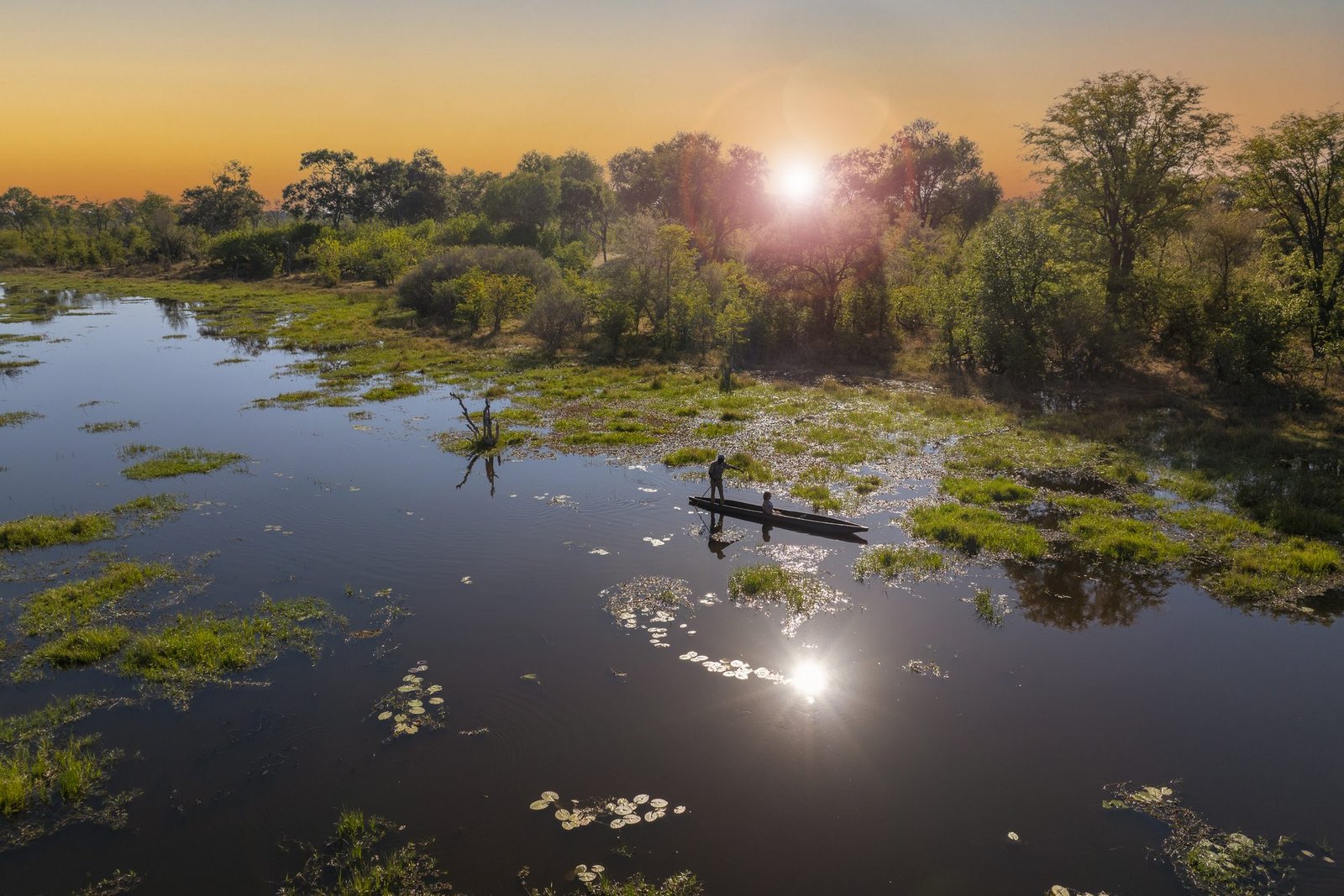
    The first sound on a mokoro safari in Botswana is often the soft pull of a pole through water. There is no engine, no conversation shouted over the wind, and no distance between you and the Delta’s details. A painted reed frog clings to a papyrus stalk. A fish eagle calls from beyond the channels. Hippos announce themselves with a low, rolling breath before you see them.

    For travelers used to game drives, that change of rhythm is often the thing they remember most.

    What a Mokoro Safari Is Really Like

    A mokoro is a narrow, shallow-draft canoe traditionally used to travel the Okavango’s waterways. Many camps now use carefully made fiberglass versions rather than wooden ones, which takes pressure off indigenous trees while keeping the same low-impact way of moving. Your Safari Guide reads the water ahead: the depth of a channel, movement in a patch of reeds, a fresh elephant crossing, the places where hippos may be resting.

    The Delta looks different from this vantage point. From a vehicle, the eye searches open ground for the larger story. From a mokoro, the smaller ones come forward — dragonflies over water lilies, jacana stepping across floating vegetation, a monitor lizard slipping off the bank without a ripple.

    The Delta Sets the Terms

    The Okavango is an inland delta fed by floodwaters from the Angolan highlands, spreading across Botswana’s sands into a shifting mosaic of channels, lagoons, islands and reed beds. Mokoro travel is possible where water levels and conditions allow, and that caveat matters. In high water, the Delta opens into a world of reflected sky. In drier months some channels run too shallow, and land-based activities take over.

    A good itinerary allows for both. It treats a mokoro outing as a seasonal privilege rather than a guaranteed spectacle, which also leaves room for surprise: red lechwe standing belly-deep in water, an elephant using a crossing as a bath, or simply stillness and birdsong.

    Who It Suits, and What to Bring

    A mokoro suits travelers who value atmosphere as much as action — couples, birders, repeat safari guests, and families with older children. It makes a welcome contrast within a fuller Botswana journey. It is less suited to anyone hoping for big game from sunrise to sunset, and getting in and out of a narrow canoe asks for a degree of balance; our teams will advise on what suits each guest and the conditions on the day.

    Preparation is modest: light neutral clothing, sun protection, a layer for cool mornings, and a dry pouch for a phone or camera.

    A Quieter Way to Be in the Delta

    A mokoro’s pace is human, its wake is small, and its silence gives the Delta room to remain itself. Delivering that well depends on local knowledge, skilled polers, and honest route choices. At Untamed Places, Botswana-based Safari Guides bring guests into these channels with the perspective of people whose lives are rooted here, knowing not only where a channel leads but why a particular season, bird call, or stretch of water matters.

    A mokoro asks very little of you beyond attention. In return it offers the rare feeling of moving through a wild place without breaking its spell.
  • Luxury Safari Botswana, Wild and Personal

    Luxury Safari Botswana, Wild and Personal

    A lion calling beyond the lantern light is not a soundtrack arranged for guests. It is simply the night unfolding around you. That is the promise of a luxury safari in Botswana at its best: real comfort, but comfort that never puts a wall between you and the wild.

    What Makes a Luxury Safari in Botswana Different

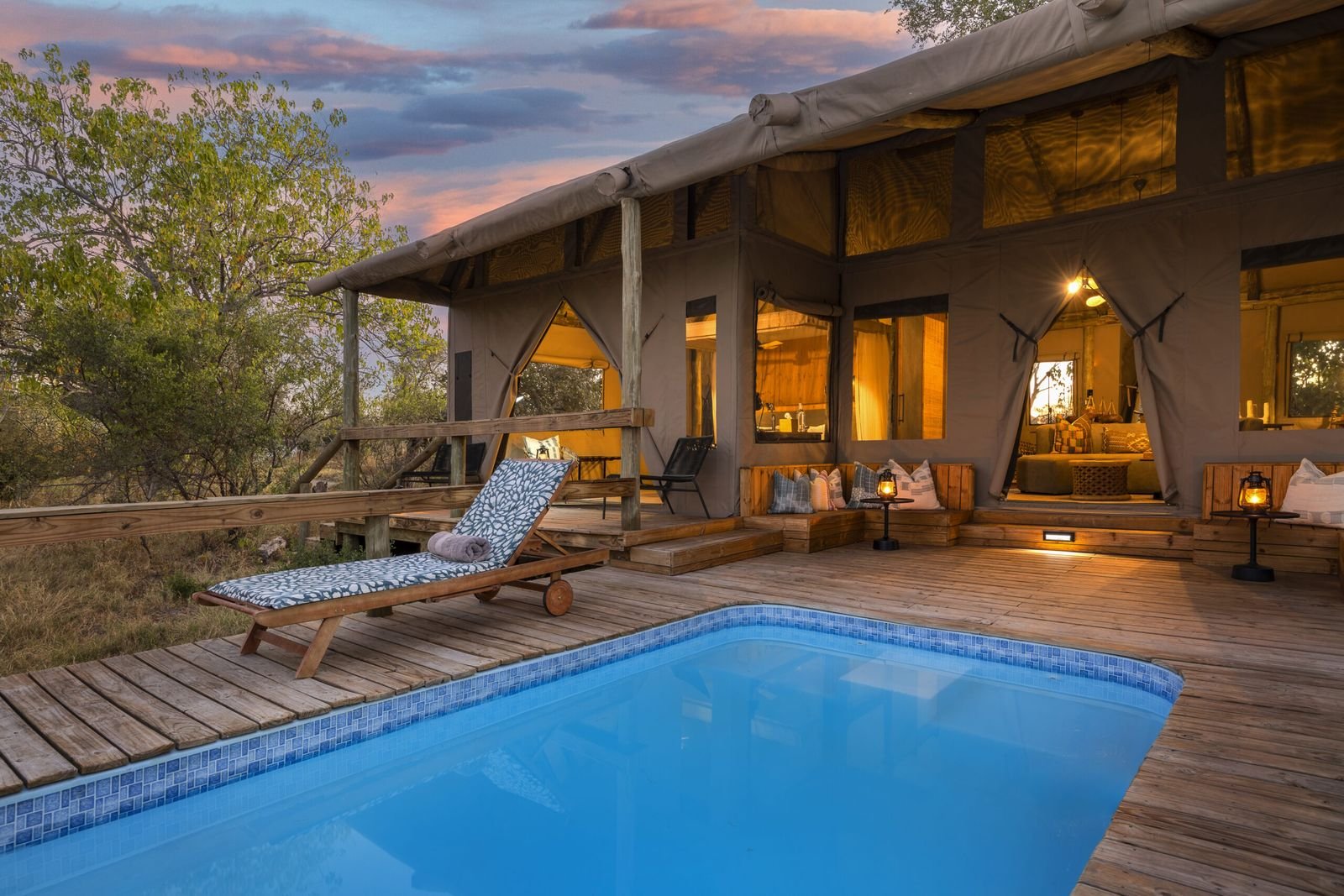
    Luxury here is less about gilded excess than privilege of place: an en-suite tent with the floodplain beyond your deck, a small vehicle, an unhurried Safari Guide, freshly prepared meals, and the rare feeling that the wilderness has room enough for you to listen.

    Botswana has protected much of its wild character through low-volume, high-value tourism. Fewer vehicles at a sighting does not mean wildlife appears on command. It means that when lions settle near camp or elephants cross a channel at dusk, the moment stays unfiltered.

    Choose Ecosystems, Not Just a Lodge

    No single landscape tells Botswana’s whole story. Three nights in one place can be restorative; seven to ten nights across two or three regions reveals the country in fuller dimension.

    The Okavango Delta and Khwai

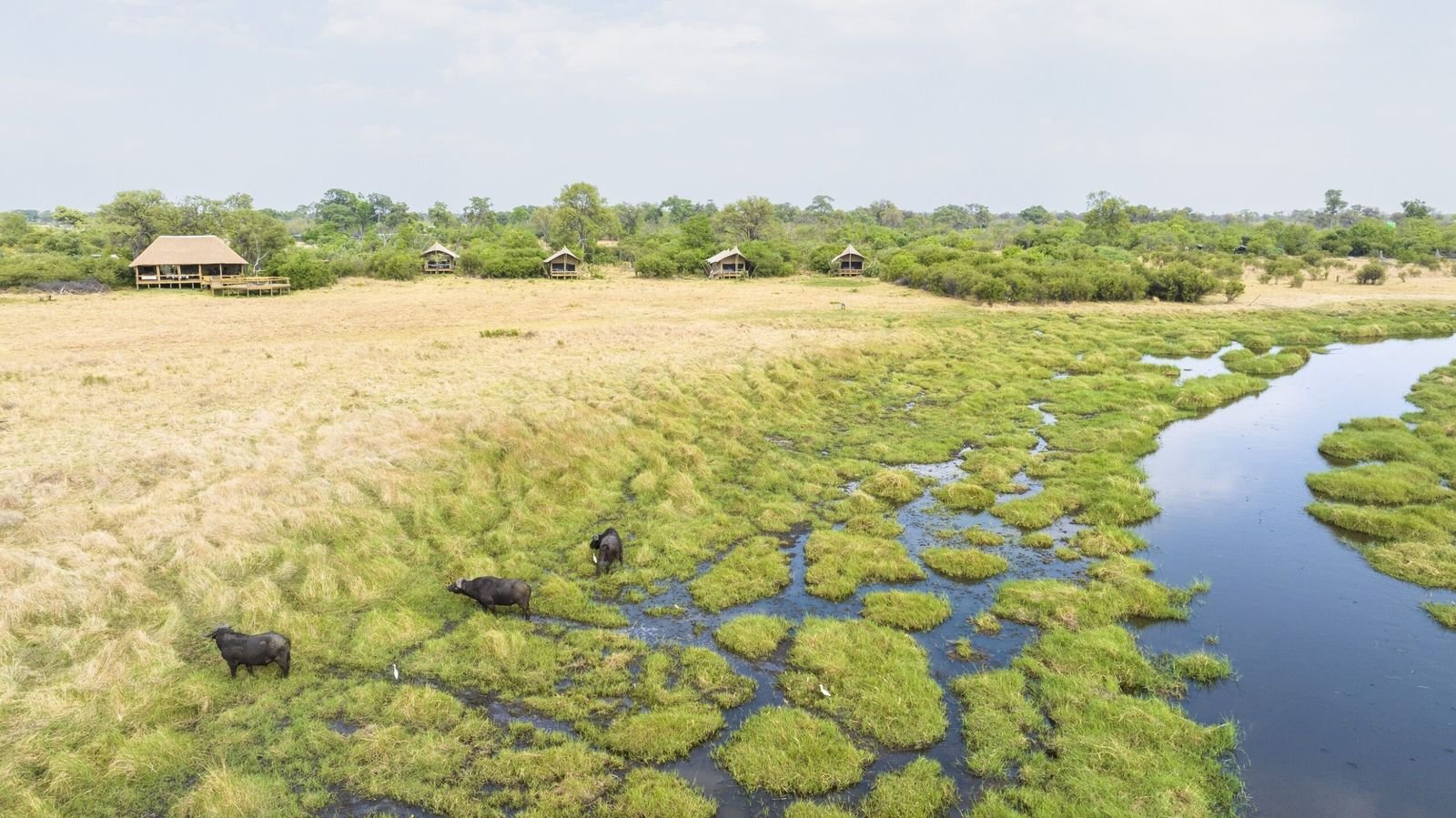
    The Delta is a living mosaic of channels, reed beds, islands and floodplains. In higher water, a mokoro glides through papyrus-fringed channels close enough to hear a kingfisher’s wings. On land, game drives follow elephants, buffalo and the predators that track them. On the Delta’s north-eastern edge, Camp Khwai adds boating safaris when water levels allow, so a single day can hold a morning drive, an afternoon on the water and dinner under a wide spread of stars.

    Linyanti and Chobe

    Northern Botswana is elephant country. In the dry season, water draws family herds and old bulls to the rivers, and long lines of animals cross open ground in the late light. The summer rains bring greener scenes, migrant birds and a softer pace.

    The Makgadikgadi Pans

    The pans are about vastness: a horizon that keeps going after the sun drops, a silence with its own presence, and seasonal herds of zebra on the move. They suit guests who have seen Africa before and want solitude alongside classic game viewing.

    Why Small Camps Change the Safari

    In an intimate camp, your Safari Guide remembers what you saw yesterday, and the team knows you like an early coffee before the vehicle leaves. Returning from an afternoon drive feels less like checking back into a hotel and more like coming home to people who were part of your day. Small scale also means lighter pressure on the land and more private moments: breakfast beneath a tree, or a sundowner with no other vehicle in sight.

    Your Safari Guide Is the Greatest Luxury

    Fine linen matters. So does the person beside you when fresh tracks appear in the sand. The best Safari Guides read the landscape: an alarm call that changes tone, spoor softened by a few hours of sun, impala shifting near a thicket. They know when to explain and when to be quiet, and that a first elephant may need a moment of silence more than a stream of facts. They also shape the day around you, whether that means waiting for the right light or a later start after a big night.

    Plan for the Season You Want

    The dry season, broadly May to October, brings cool mornings, thinner bush and wildlife gathered around water. It is also the most sought-after time, so plan early. The green season, November to April, brings dramatic skies, young animals, extraordinary birdlife and fewer visitors. The Okavango’s floodwaters follow their own cycle, so water activities do not always match local rainfall.

    Local Hands, Local Stake

    Untamed Places is 100% Botswana citizen-owned and run from Maun. The people responsible for your stay are connected to the land they work in, and your journey supports a business with a direct stake in protecting it.

    The right safari is not the one with the busiest checklist. It is the one that gives you time to be changed by a place: a quiet channel at dawn, dust rising behind elephants, a Safari Guide pausing to read a track, and the realisation that nothing has been staged for your arrival.

  • Now Introducing: Boating Safaris at Camp Khwai

    Now Introducing: Boating Safaris at Camp Khwai

    When the Okavango’s floodwaters reach Khwai, the landscape changes character, and so does the way we explore it. This season, Camp Khwai introduces boating safaris on the deeper channels.

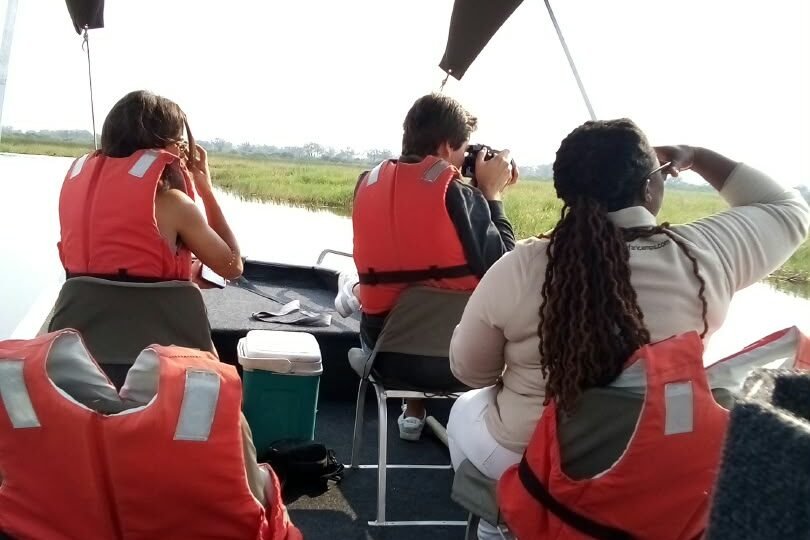
    From the water, the bush reveals itself differently. Wildlife gathers along the water’s edge: elephants at the crossings, hippo surfacing in the pools, fish eagles and kingfishers working the reeds. Every bend brings something new, and the quiet approach of a boat allows sightings a vehicle rarely can.

    It is a slower counterpoint to our morning and afternoon game drives, and a natural draw for photographers, who gain a low, level angle on the wildlife, and for families, for whom a boat is an easy, absorbing way to share the bush together.

    Boating safaris run when water levels allow and last around two hours, led by our Safari Guides. As with everything in the Delta, the river sets the terms, so availability is confirmed at the time of booking.

    Like every activity at Camp Khwai, boating safaris are included in your stay.

  • How to Choose a Botswana Safari That Fits You

    How to Choose a Botswana Safari That Fits You

    A Botswana safari is not one experience repeated across a map. It can mean drifting through reed-lined channels as a fish eagle calls above the Okavango Delta, tracking lion prints through Linyanti sand, or sitting beneath a vast salt-pan sky where the horizon seems to disappear.

    The right journey is less about checking off parks than choosing the landscapes, pace, and style of guiding that will stay with you long after you return home.

    Start With the Landscapes You Want to Feel

    The Okavango Delta

    The Delta is where safari days unfold by vehicle, on foot, and by mokoro, the traditional dugout canoe. Its channels rise and fall with the annual flood: one morning may bring red lechwe bounding through shallow water, the next buffalo moving between palm-fringed islands. It suits first-time visitors, but it is no gentle introduction. In the right area, predator viewing here is exceptional.

    Linyanti and Chobe

    Northern Botswana is elephant country. In the dry season, immense herds gather along the rivers. Linyanti feels secluded, with broad floodplains and unhurried time at sightings; Chobe offers spectacle along its riverfront, though its most accessible stretches can be busier. Many travelers pair the two.

    The Makgadikgadi Pans and the Kalahari

    Here the luxury is space: enormous skies, fossil lakebeds, and a silence that asks you to slow down. Black-maned lions on open plains, meerkats in early light, stars with no competing glow, and the privilege of being very small in a very old landscape.

    Choose by Season, Not Just Calendar

    From June to October, the dry season concentrates wildlife around water and the Delta flood is at its fullest, giving the most consistent game viewing of the year. From November to March, summer rains bring green landscapes, migratory birds, and new life, and transform the pans and the Kalahari. April and May sit between the two: cooler air, green country, and camps at their calmest. There is no perfect month, only the season that suits the story you want to bring home.

    Camp Size Changes Everything

    Luxury on safari is not marble or formality. It is waking because a lion has called nearby, and returning from a drive to a familiar face. A camp of 16 guests or fewer makes that possible: more personal service, more flexibility, and no sense of being processed through an itinerary. Ask how many guests share a vehicle, and whether a private one can be arranged.

    Ask About the Guiding

    A great guide does more than find animals. They read tracks in the dust, interpret alarm calls, and know when a sighting should be watched in silence rather than pursued. Botswana-based Safari Guides who have watched the flood arrive year after year offer more than identification. They offer context.

    Ask, too, who owns the camps. Direct local ownership is not a decorative detail: it means decisions are made close to the ground, by people with a lasting stake in the wilderness. Untamed Places brings several of Botswana’s defining ecosystems together in one locally owned collection, making it easier to build a journey that feels connected rather than pieced together.

    Leave Room for the Wild

    The common mistake is trying to see everything at once. Allow at least three nights in each camp to settle in and let the unpredictable happen. Seven to ten nights creates a satisfying contrast: Delta water and Linyanti elephants, perhaps, or a northern circuit followed by the stillness of the pans. With more time, add a mobile safari, moving through the landscape with a small, supported camp for an uncommon closeness to the land.

    Leave room for the unplanned morning: the leopard near camp, the herd that holds you by the river until sunset. Those are not interruptions to the itinerary. They are the reason to come.

Adventure to Moments.
untamedplaces.com  ·  travel@untamedplaces.com
+267 73 625 625  ·  +267 72 769 992
100% Botswana citizen-owned · Maun, Botswana