
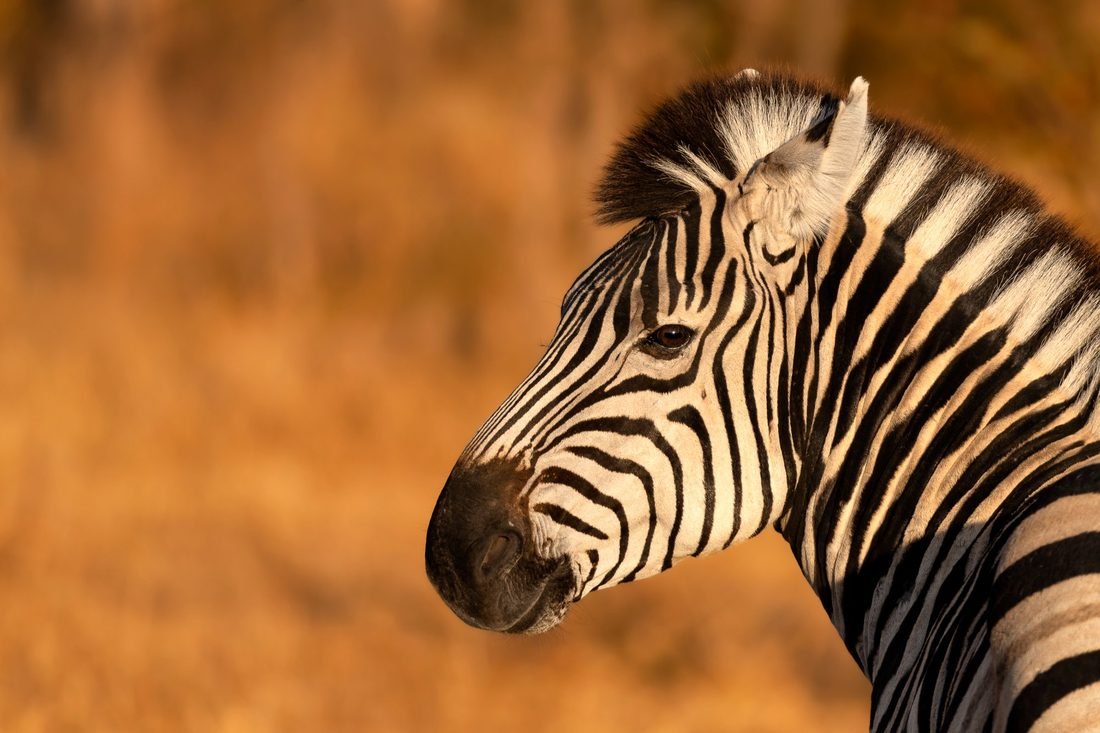
A line of zebra appears on the pale horizon, then another, then hundreds more. Their black-and-white coats sharpen against rain-darkened grass, and the stillness of the pans gives way to hoofbeats, birdsong, and the first green flush of Botswana’s summer. The Makgadikgadi zebra migration is not a performance staged for visitors. It is a seasonal decision made by animals responding to rain, grazing, water, and instinct.
For travellers, that is precisely its appeal. This is one of Africa’s great wildlife movements, played out across an immense, open landscape where distance still feels real. Seeing it well depends less on choosing a single guaranteed date and more on understanding the rhythm of the wet season.
What makes the Makgadikgadi zebra migration remarkable?
The migration links the dry grasslands around the Boteti River and Makgadikgadi Pans with the green summer grazing of Nxai Pan and surrounding areas. When the first meaningful rains arrive, large herds of zebra begin moving north and east toward fresh pasture. Their journey can cover hundreds of miles across the wider ecosystem over the course of the season.
It is Africa’s second-largest zebra migration, but the scale is only part of the story. The movement is remarkable because it demonstrates how connected Botswana’s wild landscapes remain. Zebra must be able to follow ancient seasonal routes across vast spaces. Their arrival also changes the entire atmosphere of the pans: predators follow opportunity, grazing animals gather, and open ground becomes alive with movement.
Unlike the more familiar image of a single river crossing, this migration is expansive and subtle. You may encounter a concentrated herd moving with purpose across the plain, or find zebra spread over a wide area, grazing quietly among springbok, wildebeest, and ostrich. Both are authentic encounters. A skilled Safari Guide reads the tracks, recent rainfall, grass condition, and animal behavior to make sense of what the landscape is revealing that day.
When does the migration happen?
The most reliable broad window is Botswana’s green season, generally from November through April. Yet rainfall determines the real timetable. The first storms may trigger movement in November or December, while a late or uneven rainy season can shift where herds gather and how quickly they travel.
January through March is often the strongest period for travellers hoping to see substantial numbers of zebra on the green pans. By then, rain-fed grazing is established, and the wider landscape can support large concentrations of animals. This is also a season of abundance: young antelope may be present, migratory birds arrive, and the sky itself becomes part of the experience, with enormous cloud formations building over the horizon.
As the rains recede and surface water disappears, many zebra begin moving back toward more dependable dry-season areas. This return movement can take place from around March or April onward, but nature does not work to a fixed calendar. A year with generous late rain can extend green grazing. A dry spell may encourage herds to move sooner.
That uncertainty is not a drawback so much as the defining character of a rain-driven safari. Travellers who need a precise wildlife event on a precise morning may find the migration unpredictable. Travellers willing to spend time in the region, watch changing conditions, and let the wilderness set the pace often find it deeply rewarding.
Why green season suits this journey
The Makgadikgadi is especially compelling in summer because the transformation is so complete. In the dry months, the pans can feel lunar: white salt, bleached grass, distant palms, and a horizon that seems to have no end. After rain, shallow water gathers in low areas, grasses rise, and the same vastness becomes intensely fertile.
Photography changes with the season. Green grass and dramatic skies create a richer palette than the dusty golds of winter. Afternoon storms can bring extraordinary light, while clear mornings offer soft conditions for photographing zebra against open plains. The trade-off is that rain can make tracks muddy, limit driving in certain areas, and require patience. That patience is often repaid with dramatic weather, fewer vehicles, and a strong sense of being present in a living ecosystem rather than observing it from its edge.
Birdlife also becomes a significant part of the experience. Waterbirds and summer migrants add movement and sound to the pans, while raptors work the open country. For families and first-time safari travellers, this variety can make each game drive feel layered and accessible. For seasoned wildlife travellers, it offers a different expression of Botswana from the dry-season Delta or riverfront safari.
What else might you see around the herds?
Zebra are the central draw, but they are never alone for long. Wildebeest frequently share the grazing, and springbok bring quick flashes of movement across the short grass. Ostrich, jackal, and a range of smaller plains species are part of the daily pattern.
Predator sightings depend on timing, terrain, and patience. Lion can use the broad visibility of the pans to their advantage, while spotted hyena may follow concentrations of prey. Cheetah and leopard are possible in the wider region, though no responsible safari should promise a particular predator encounter. The openness of the landscape makes behavior especially absorbing: a distant herd tightening its formation, a stallion standing alert, or birds lifting suddenly from grass can tell a story before any predator is visible.
The seasonal wetlands can also draw flamingos in favorable years. Their presence depends on water conditions and should be treated as a possibility rather than an expectation. The Makgadikgadi rewards travellers who come for the whole landscape, not one checklist sighting.
How to plan around the migration
Build flexibility into your itinerary. If the migration is a priority, allow more than a single night in the region so weather and herd movements have time to work in your favor. A longer stay also creates space for the pans’ quieter pleasures: following fresh tracks in damp earth and sitting beneath a sky so wide it changes your sense of scale.
Pack for heat, sun, and rain in the same day. Lightweight layers, a proper rain shell, sun protection, and footwear that can handle damp ground are more useful than a rigid idea of “summer weather.” Early mornings can feel fresh after a storm, while midday temperatures may still be high.
Most importantly, choose a safari led by people who know the region beyond its headline moments. Botswana-based Safari Guides understand that the most meaningful game viewing is not always a dense wildlife scene. It may be the first zebra tracks crossing a newly green plain, the smell of rain on dust, or a herd moving toward a horizon that has held these routes for generations.
The migration is bigger than a sighting
The Makgadikgadi zebra migration is a reminder that conservation is not confined to the boundaries of a camp or park. Wildlife needs room to move, seasonal water, connected grazing, and tourism that values the land for more than a photograph.
Camp Makgadikgadi, within the Untamed Places collection, sits on a rock ridge on the western edge of the Makgadikgadi Pans, above the Boteti River and overlooking Makgadikgadi Pans National Park. Its four tented suites look out across the country the zebra move through, and days are shaped around game drives, guided walks with our Safari Guides, and sleepouts beneath that vast sky.
For a locally owned company such as Untamed Places, that perspective matters. A wilderness journey should create personal memories while supporting the long-term value of Botswana’s wild places and the people who safeguard them. The most lasting encounter may not be the moment a herd fills the frame, but the realization that these animals are still free to follow the rain.
Travel with curiosity, leave room for the unexpected, and let the first green season storm decide what the pans reveal.