
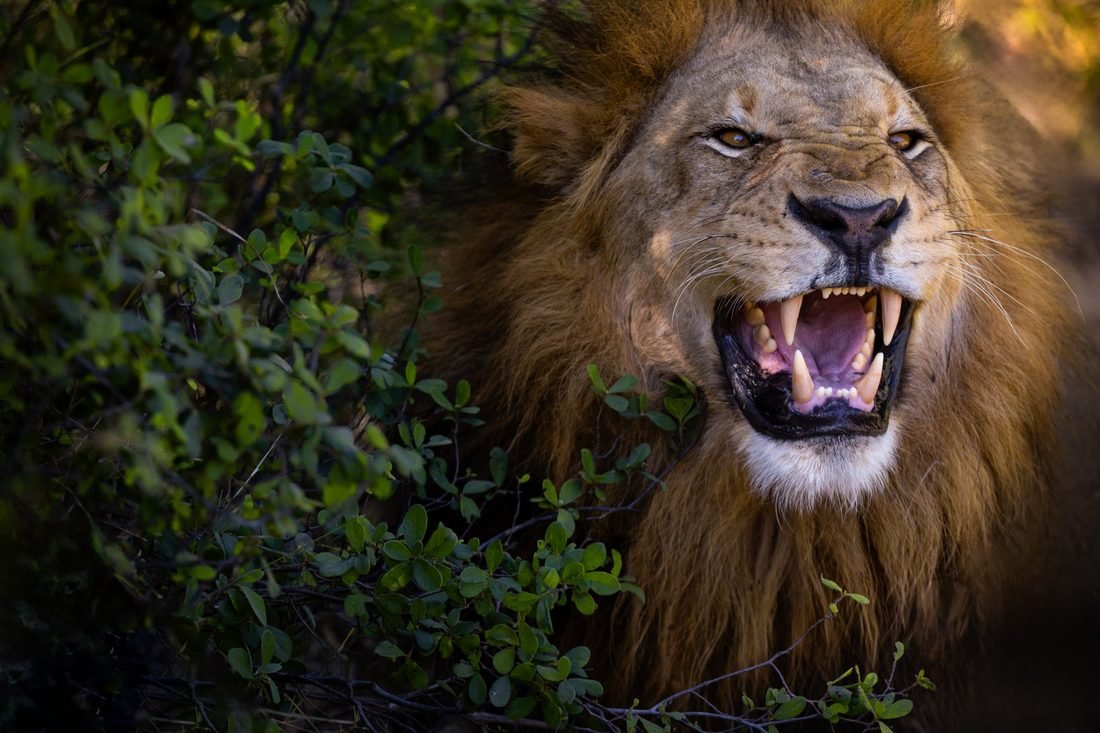
A Moremi Game Reserve safari is not about ticking off animals against a checklist. It is about following fresh lion tracks along a sandy road at first light, watching elephants cross a floodplain beneath a wide Botswana sky, and returning to camp with the sound of hippos carrying over dark water. Moremi rewards patience, skilled guiding, and time in the field.
Set within the eastern Okavango Delta, Moremi is one of Botswana’s most varied wildlife areas. Mopane woodland, open grassland, riverine forest, seasonal floodplains, and permanent channels lie close together. That diversity creates a safari with real texture: a morning may begin with leopards in dense cover and end with a quiet boat passage through reeds alive with frogs and bird calls.
Why Moremi feels different
Moremi Game Reserve is a protected wilderness, not a single lodge destination. Its landscapes include Chief’s Island, the Xakanaxa area, Third Bridge, and the Khwai River region along its northern edge. Conditions can shift dramatically between these places, which is precisely why route planning and local knowledge matter.
The reserve also carries an important conservation story. Established in 1963 through the leadership of the Batawana people, Moremi reflected a local decision to protect a landscape that sustains wildlife, livelihoods, and cultural identity. That legacy still matters. A visit here should feel like time in a living ecosystem, not a performance staged around sightings.
For guests accustomed to private safari concessions, Moremi comes with a useful trade-off. The reserve’s public roads provide access to exceptional habitat, but popular sightings can draw more vehicles during busy periods. Vehicles must also follow reserve rules and established routes. The reward is a deeply wild, ecologically significant place where the experience is shaped by what the land offers that day.
Wildlife on a Moremi Game Reserve safari
Moremi has extraordinary wildlife density in the right seasons, but it is not predictable in the way a brochure can suggest. Lions are regularly encountered, often moving across open plains or resting in shade during the heat. Leopards favor thicker cover and reward a Safari Guide who knows where to look, when to wait, and how to read the behavior of impala, baboons, and birds.
Elephants are a constant presence in many areas, from family herds feeding in woodland to solitary bulls standing silently at the edge of water. Buffalo move in large herds, while giraffe, zebra, wildebeest, tsessebe, kudu, and red lechwe give the floodplains their sense of motion. African wild dogs are among the reserve’s most thrilling encounters, especially when a pack is actively hunting, but they range widely and should never be promised.
Birdlife is equally compelling. African fish eagles call from tall trees above the channels, while wattled cranes, herons, kingfishers, and bee-eaters add colour and movement to the water’s edge. For keen photographers, the value is not only in rare species. It is in the layers: elephant tracks pressed into wet sand, a malachite kingfisher flashing over a lagoon, storm light gathering beyond a line of palms.
Choose the season for the experience you want
The dry season, generally from May through October, is often the first choice for a classic wildlife-focused safari. As surrounding areas become drier, animals concentrate nearer permanent water, and thinning vegetation can make sightings easier. Days are typically clear and pleasant, while early mornings and evenings can be surprisingly cold from June through August.
This is also the period when Botswana’s safari circuit is most sought after. Advance planning matters, particularly for travellers who want a small camp, private vehicle arrangements, or a carefully paced itinerary across several ecosystems. More people travel at this time, and the most productive areas may see increased vehicle activity around a major sighting.
The green season, from roughly November through April, offers a different kind of beauty. Rain brings fresh grass, dramatic skies, migratory birds, and young animals. The landscape becomes luminous and alive, with long afternoons that can turn from brilliant sun to rain-scented air in minutes. Wildlife viewing remains rewarding, though animals may be more dispersed and some roads can become challenging after heavy rain.
There is no universally best month. A honeymoon couple seeking cool evenings, concentrated wildlife, and reliable conditions may prefer the dry season. Photographers who value green landscapes, birdlife, and softer light may find the summer months especially compelling. Families should also consider travel time, heat tolerance, and the rhythm that will suit every generation in the vehicle.
Access, activities, and the value of time
Most itineraries approach Moremi through Maun or from camps in the surrounding Delta and Khwai areas. Light aircraft transfers save considerable time and offer an unforgettable view of the Delta’s channels and islands from above. Road travel is more grounded and can be part of the adventure, but distances, sandy tracks, and changing seasonal conditions mean it should be planned realistically.
Game drives are central to the experience. The best ones are not rushed. A strong Safari Guide may spend 40 minutes with a leopard rather than racing toward a radio call, or pause the vehicle simply because a herd of elephants has chosen the road ahead. These unscripted intervals often become the stories guests remember most clearly.
Water-based activities depend on location and water levels. Where conditions allow, a boat or mokoro excursion reveals another side of the Delta: water lilies opening in still channels, dragonflies hovering over reeds, and the soft sound of a pole moving through shallow water. A land-and-water combination creates a fuller understanding of why this region supports such remarkable diversity.
Give Moremi enough time. Two nights can provide an introduction, but three or more nights allow for changing light, changing routes, and the inevitable surprise of wildlife moving through an area after you have already explored it. A longer stay also gives guests permission to slow down. Not every drive needs a grand sighting to be worthwhile.
What thoughtful luxury looks like here
Luxury in the bush is not marble for its own sake. It is a comfortable bed after hours on the move, a warm welcome after an afternoon storm, an intimate dinner where the conversation returns to the day’s tracks and calls. It is a camp small enough for the team to understand how you like to travel and for your Safari Guide to shape each day around your interests.
For a Moremi-focused journey, the right camp location matters as much as the room itself. Consider whether you want close access to floodplains, water activities, woodland wildlife, or a broader itinerary that combines the reserve with the Khwai area and other Botswana landscapes. At Untamed Places, Camp Khwai offers a small-scale base for guests who want to spend meaningful time in this wildlife-rich northern Delta region with Botswana-based Safari Guides.
Local ownership also changes the character of a stay. It means accountability is close to the ground, decisions are shaped by knowledge of the seasons, and the benefits of travel remain connected to Botswana. For guests, that can be felt in the confidence of the guiding, the warmth of the welcome, and the absence of unnecessary spectacle.
How to prepare without overplanning
Bring neutral clothing in light layers, a warm outer layer for winter mornings, sun protection, and footwear that is comfortable for camp and short walks. Keep expectations flexible. A safari is not improved by trying to control every hour; it is improved by leaving room for the unexpected.
If photography is a priority, discuss it before travelling. Your preferred pace, lens choices, interest in birds or predators, and willingness to remain at a sighting can all shape the experience. If you are travelling as a family or celebrating a milestone, share that too. The most considered itineraries make space for both wildlife intensity and unhurried private moments.
Moremi does not need to be rushed or conquered. Arrive with curiosity, choose guides and hosts who know the country deeply, and allow the reserve to reveal itself one track, one channel, and one unforgettable encounter at a time.